Self Rescue Basics
As an Amazon Associate I earn from qualifying purchases.
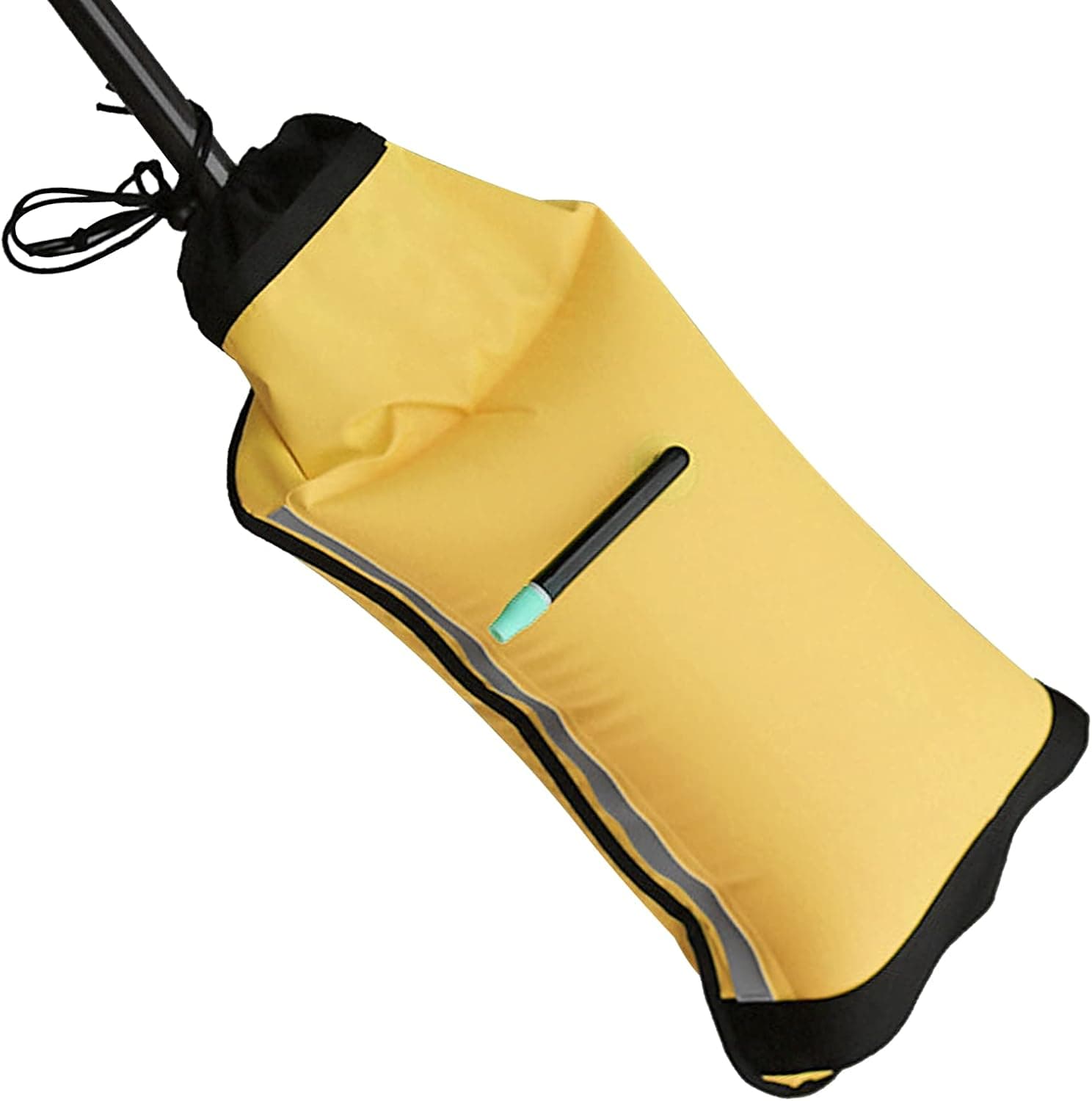
Every kayaker capsizes eventually, and the difference between an inconvenience and a real problem is whether you have practised getting back in. Self rescue is not an advanced skill reserved for experts. The basic sequence can be learned in an afternoon in waist-deep water, and once it is familiar the whole sport feels less intimidating. Start with the wet exit, which is simply getting out of an upside-down kayak calmly. If you are wearing a spray skirt, lean forward, find the grab loop at the front of the skirt, pull it forward and up to release the skirt, then push yourself out with your hands on the cockpit rim. Your life jacket brings you up. Practise this in shallow warm water with a partner standing beside you until it feels routine, because the first involuntary capsize is much less alarming if your body already knows the movement.
Once you are in the water, the first rule is to stay with your boat and your paddle. A kayak is far more visible than a swimmer, it floats, and it is your ride home. Grab a deck line or toggle immediately, because an empty boat blows downwind faster than you can swim. If you cannot hold both, keep the boat and let go of nothing else you can help. A paddle leash or a spare paddle on deck makes this easier. Then flip the kayak upright quickly, before more water gets in.
On a sit-on-top, reentry is straightforward. Position yourself at the side near the middle, reach across the boat and grab the far edge or a handle, kick your legs to get horizontal on the surface, and pull yourself across the deck on your stomach. Then rotate onto your seat and swing your legs in. Water drains through the scuppers on its own. Most people manage this within a few tries, and the technique works in choppy water too.
On a sit-inside, the classic solo method is the paddle float reentry. Inflate the float and slide it onto one blade, then wedge the other blade behind the cockpit rim so the paddle forms an outrigger. Approach from the side opposite the float, kick to get horizontal, and haul yourself onto the back deck with your chest low, keeping weight on the outrigger side. Slide one leg then the other into the cockpit while lying face down, then roll upright into the seat. Keep your body low throughout; sitting up too early is what tips people back in.
Once you are in, the cockpit will still hold water, which makes the boat unstable and sluggish. Pump it out with a hand bilge pump while keeping the paddle braced across the cockpit or under the deck lines. A sponge finishes the job. If you paddle a sit-inside on anything bigger than a pond, a pump is not optional gear. Reattach the spray skirt before the pumping if conditions are rough, using the skirt's design to keep more water out.
A scramble reentry without a paddle float is faster and works well on shorter, wider sit-insides, and is worth practising as your primary technique. Assisted rescues with a partner are faster still, which is one of the practical arguments for paddling in company. The T-rescue, where your partner lifts and drains your boat across their deck before you climb in beside them, is worth learning together on the same day.
Practise every season, not just once. Do it in the clothing you actually paddle in, since a bulky jacket or drysuit changes everything. Try it with your usual gear on deck, because a loaded boat behaves differently. And practise near shore in conditions slightly rougher than glass, since flat-water competence does not automatically transfer to wind chop. Twenty minutes of practice a few times a year is a small investment for a skill that turns a bad moment into a story.