NRS Sea Kayak Rescue Paddle Float Review (2026)
Updated September 20, 2026 · Research-based review
Our verdict
A dual-chamber paddle float from NRS, purpose-built for sea kayak self-rescue, with each chamber holding 7 liters of air for 14 liters combined and a backup chamber if one fails to inflate. It is trusted paddlesports gear with reflective tape for visibility, but it costs more than generic floats of similar appearance.
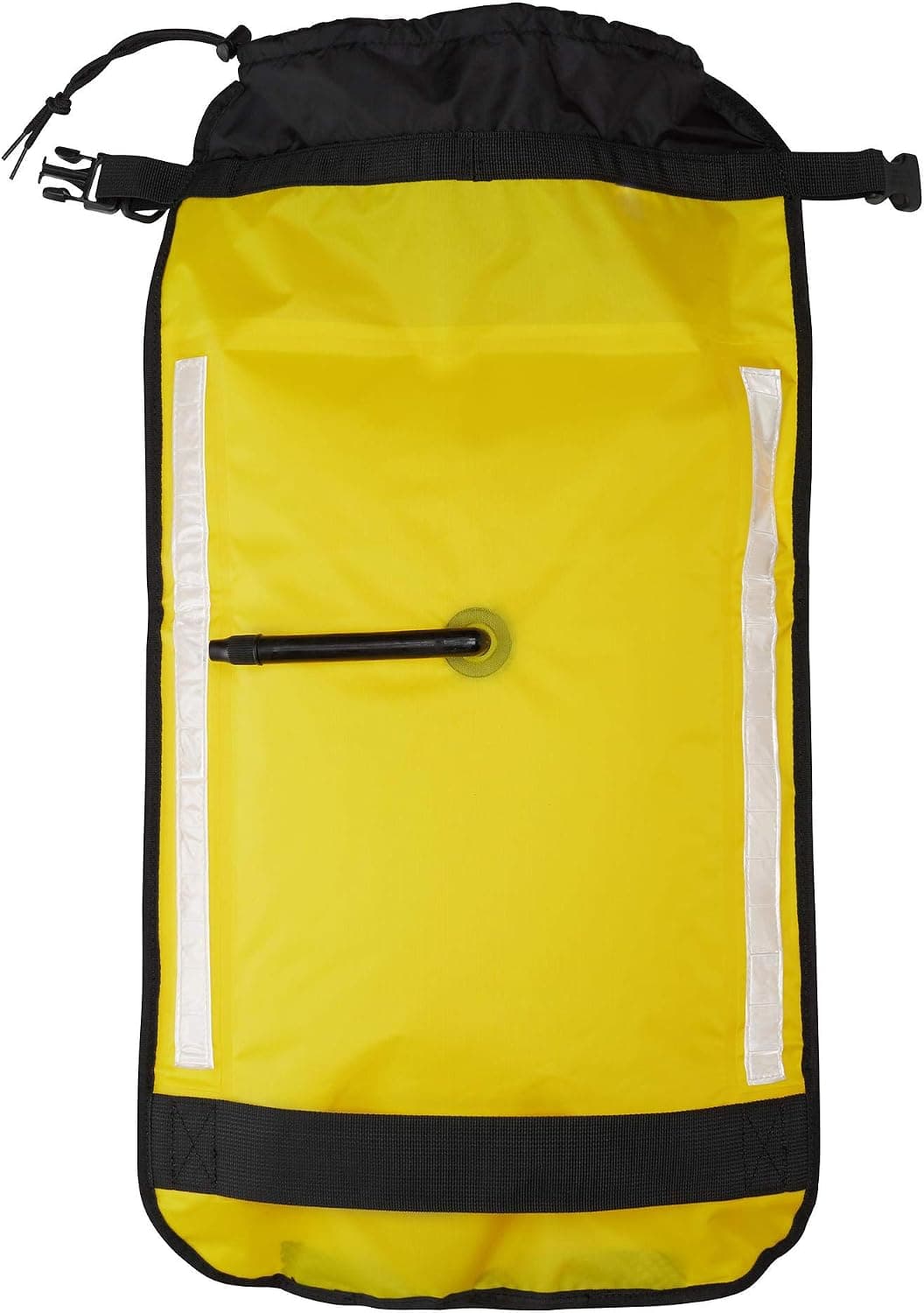
NRS's Sea Kayak Rescue Paddle Float, a paddle float from a major paddlesports brand for sea kayakers.
Price range: See on Amazon
What we liked
- + NRS build quality is trusted for seams and valves
- + Designed specifically for sea kayak rescue practice
- + Compact when deflated for stowing under deck bungees
Trade-offs
- - Costs more than generic floats with a similar look
- - Compare single-chamber and dual-chamber floats before buying
Who this paddle float suits
This paddle float is built for sea kayakers and touring paddlers who want a reliable self-rescue tool for climbing back into a kayak after a capsize in open or coastal water, where waiting for help is not always practical. It is also useful as a stability aid, since sliding the paddle float onto a paddle blade and bracing across the kayak creates a makeshift outrigger during an unassisted re-entry. Paddlers who only paddle calm, shallow water close to shore may see less need for dedicated rescue gear like this, but anyone heading onto open water, larger lakes, or coastal routes should treat a paddle float as standard safety equipment alongside a PFD and whistle.
Dual air chambers
The float uses two separate air chambers, each displacing 7 liters for a combined 14 liters of flotation, and the dual design exists specifically so a failure in one chamber, whether from a puncture or valve issue, still leaves a working backup chamber during an actual rescue. That redundancy matters because a paddle float is emergency gear used under stress, often in rough conditions, and a single-chamber float that fails leaves a paddler with no backup plan mid-rescue. Each chamber uses its own twist valve for inflation, allowing a paddler to fill the float by mouth while treading water or braced against their kayak.
Construction and materials
NRS builds the float with a durable nylon outer shell and a 2 inch webbing grab loop, giving a solid handhold for pulling the float onto a paddle blade or grabbing it quickly in choppy conditions. The float secures to the paddle shaft using 1 inch webbing and a barrel lock draw cord, a strap system designed to stay cinched tight under load rather than slipping loose while a paddler puts their weight on the paddle during a re-entry. Reflective tape is included on the float as well, adding a visibility feature that can help other paddlers or rescuers spot someone in the water during a real emergency, particularly in low light.
Using it for stability and rescue
Beyond climbing back into a kayak after a capsize, a paddle float braced across the back deck can serve as a temporary outrigger, giving a swimmer enough stability to pull themselves up and over the cockpit rim without the kayak rolling back over. This dual-purpose use, as both a flotation aid for the paddle blade and a stabilizing brace during re-entry, is the core reason paddle floats remain standard sea kayaking safety gear rather than a niche accessory. Practicing the self-rescue technique in calm, controlled conditions before relying on it in an emergency is strongly recommended, since the motion of inflating, positioning and bracing the float takes some coordination the first few times.
Price versus generic floats
NRS paddle floats cost more than generic-looking inflatable floats sold by lesser-known brands, and that price gap reflects NRS's reputation for durable seams, reliable valves and consistent quality control on safety-critical gear, built up over decades as a dedicated paddlesports brand. For gear that only gets used in an actual emergency, paying more for a float from a company with a long track record of reliable rescue equipment is a reasonable tradeoff against the risk of a cheaper float failing at the exact moment it matters most. Paddlers on a tighter budget should still weigh that risk against the price difference for their own use case and typical paddling conditions.
Frequently asked questions
How much flotation does this paddle float provide?
It has two air chambers each displacing 7 liters, for 14 liters of combined flotation, with a backup chamber if one fails.
How does a paddle float help during a capsize?
It slides onto a paddle blade and the paddle is braced across the kayak's back deck, creating a temporary outrigger that stabilizes the boat while the paddler climbs back in.
Does it include reflective material for visibility?
Yes, reflective tape is included on the float to help with visibility in low light or during a rescue.
How does it attach to the paddle?
It secures to the paddle shaft using 1 inch webbing and a barrel lock draw cord that cinches tight under load.
Prices change often, so check the current price and availability on Amazon.
Check price on AmazonKayak Nest may earn a commission from the link above.