Choosing Your First Kayak Without Overthinking It
As an Amazon Associate I earn from qualifying purchases.
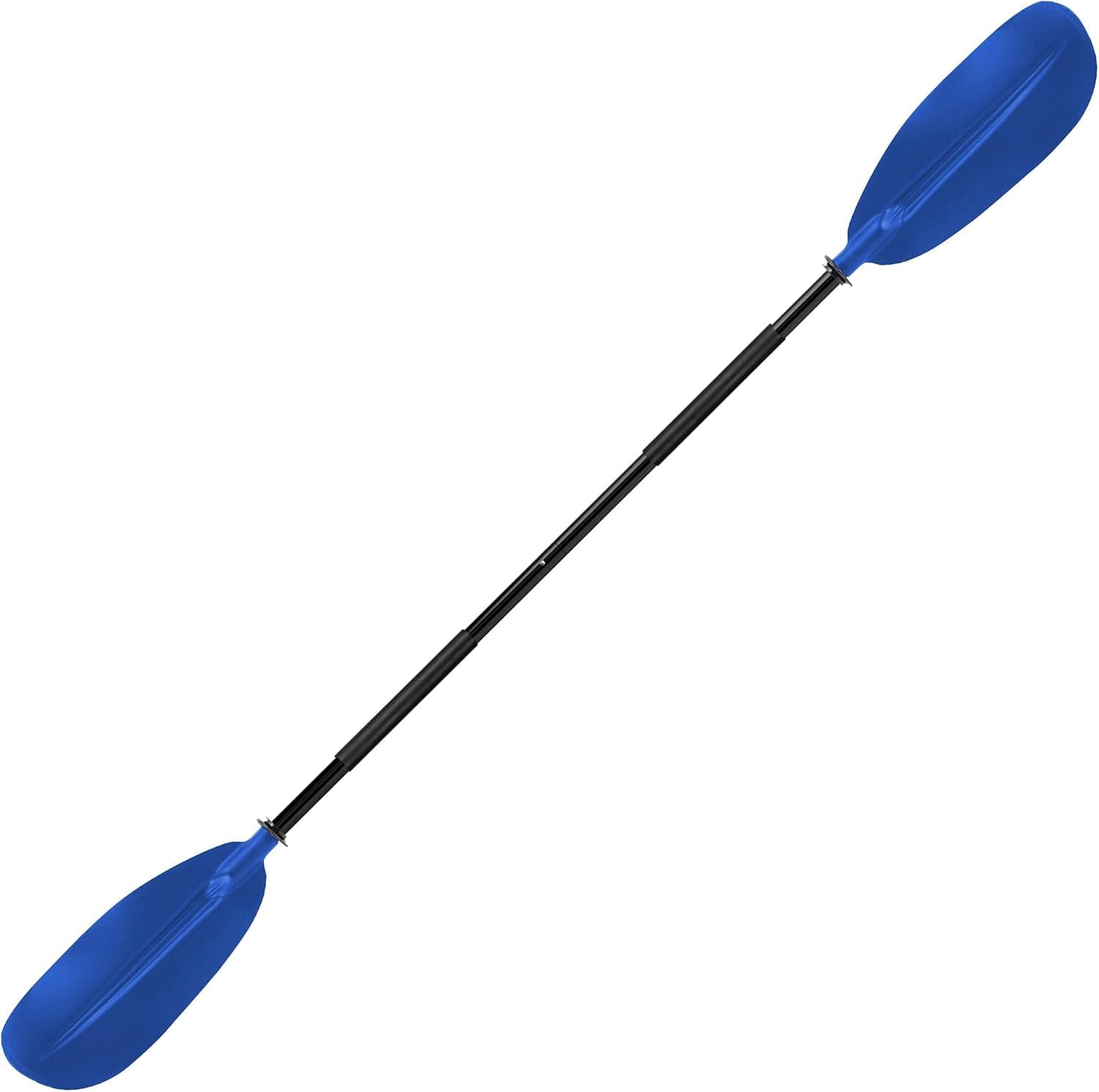
Buying a first kayak is easier once you accept that no single boat does everything well. A short, wide hull is stable and easy to turn but slow and hard to hold on course. A long, narrow hull is fast and tracks beautifully but feels tippy at first and is awkward on small twisting rivers. The right first kayak is simply the one that matches the water you will realistically paddle most often, not the water you imagine paddling someday.
Start with an honest inventory. Where will you launch, how far will you paddle, and how will the boat get there? Someone with a small lake ten minutes away and a hatchback needs a different kayak than someone driving to open coastline with a roof rack and a friend to help lift. Weight matters more than most buyers expect: a boat you can carry alone gets used, and a boat that needs two people sits in the garage. Under about 22 kilograms is manageable for most solo paddlers with a cart.
Length and width give you the broad strokes. Recreational kayaks run roughly 2.5 to 3.7 metres and 70 to 85 centimetres wide, which suits ponds, slow rivers, and short outings. Touring or light sea kayaks run 4 to 5.5 metres and 55 to 65 centimetres wide, which suits bigger water, wind, and multi-hour days. Width buys initial stability, length buys speed and tracking, and there is no way to have a lot of both. If you are unsure, err slightly toward the longer boat, because stability that feels twitchy on day one usually feels normal by week three.
Material mostly sets the price and the weight. Rotomolded polyethylene is the standard for a reason: it is cheap, tough, and shrugs off dragging over gravel, but it is heavy and can deform if stored badly. Thermoformed plastic is lighter and stiffer at a middle price. Composite layups in fibreglass or carbon are the lightest and most efficient, and also the most expensive and the least tolerant of rocks. For a first boat, plastic is almost always the sensible answer.
Outfitting deserves more attention than the badge on the deck. Sit in the boat before you buy if you possibly can. You want a seat that supports your lower back without forcing a slouch, adjustable foot braces that reach your feet comfortably, and thigh contact if the boat has it, because that contact is what lets you steer with your hips later. A skeg, which is a drop-down fin, helps a longer boat hold course in wind. A rudder does the same and adds steering, at the cost of extra moving parts. Both are useful; neither is required for a first boat on sheltered water.
Check the practical details that make daily use pleasant. Deck lines and grab handles are safety gear, not decoration, because they give you something to hold onto after a capsize. At least one sealed bulkhead and hatch adds flotation and dry storage. Drain plugs, a comfortable carry point, and molded footwell positions all matter. Sit-on-top designs are worth serious consideration if you paddle warm water, plan to swim, or want the easiest possible reentry.
Finally, buy used if you can find the right boat. Kayaks age slowly, and a lightly scratched hull performs exactly like a new one. Inspect for deep gouges, cracks near the seams, a warped hull from bad storage, and any softness around fittings. Budget separately for a good paddle and life jacket, because those two items affect your enjoyment more per euro than the boat does. A modest kayak with a light paddle beats a fancy kayak with a heavy one every single time.