Kayak Camping Basics
As an Amazon Associate I earn from qualifying purchases.
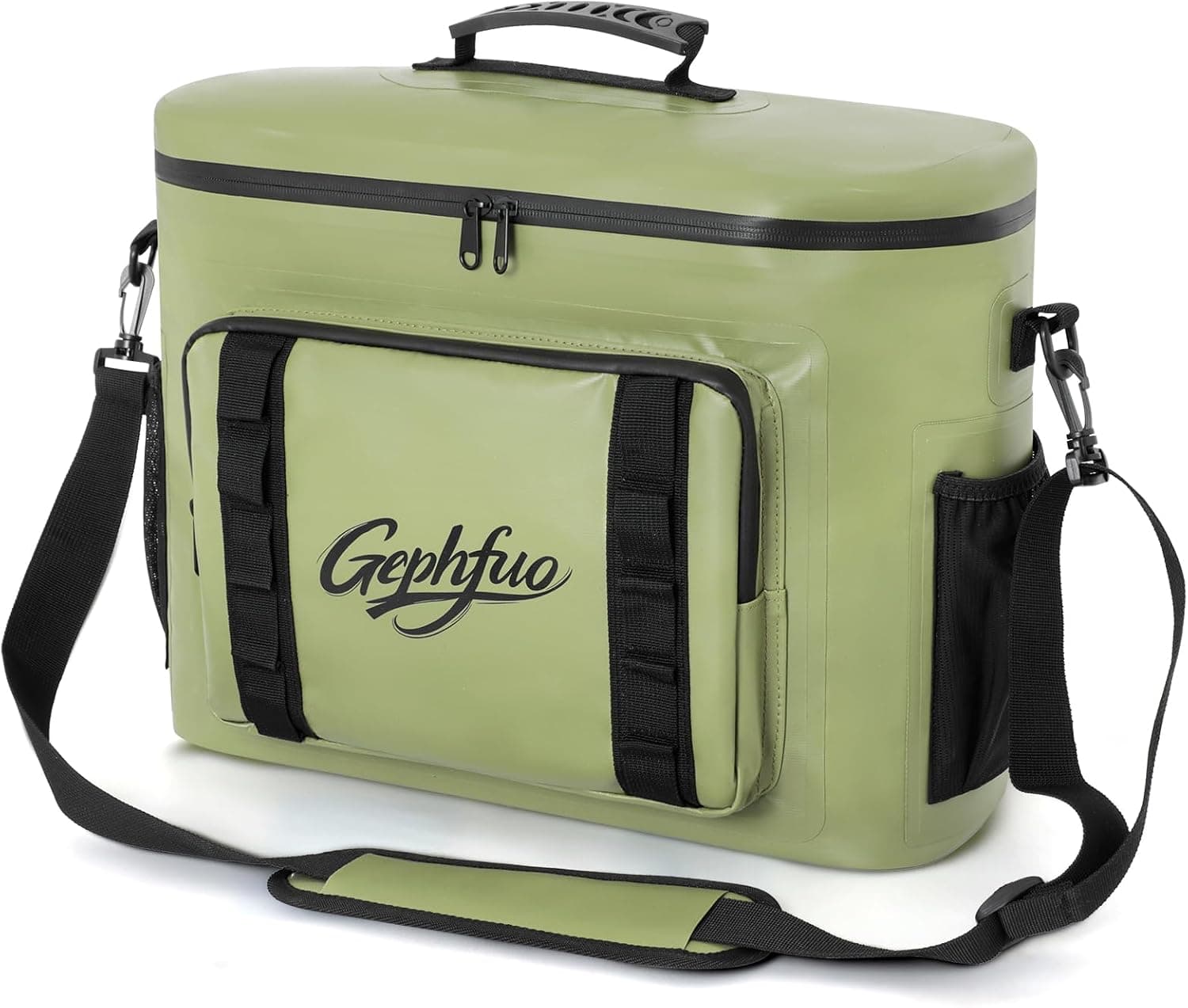
Kayak camping sits somewhere between backpacking and car camping. You have far more carrying capacity than a hiker, but everything must fit through hatches or under deck lines, and everything must survive getting wet. The result is a wonderfully self-contained way to travel, where a modest boat can carry several days of food and shelter to places roads never reach.
The first question is whether your kayak is suitable. You need flotation and storage, which in practice means a sit-inside with front and rear bulkheads and hatches, or a sit-on-top with sealed compartments and enough deck space. A recreational kayak with an open cockpit and no bulkheads can do a single overnight on very sheltered water, but it lacks both storage and the flotation that makes a loaded boat recoverable. Longer touring boats carry more and, importantly, handle the extra weight better.
Gear selection follows backpacking logic with a few relaxations. Weight matters less than volume and shape, so a slightly heavier but more compact stove or sleeping bag is often the better choice. Long thin items slide into the ends of the hull; bulky items go in the middle where the hatch openings are widest. Everything goes in dry bags, and small dry bags beat large ones because they fit around the curves of the hull. Compress your sleeping bag hard, keep your tent poles separate from the fabric, and use the fabric as a filler between rigid items.
Packing for trim and balance is what separates a boat that paddles well from one that wallows. Put heavy items low and close to the cockpit, keeping the bow and stern relatively light so the kayak still turns and rises over waves. Balance left and right too, since a boat that leans always is exhausting to correct. Aim for the boat sitting level or very slightly bow-light when loaded. Load the boat at the water's edge, not up the bank, because a fully packed kayak is heavy and awkward to carry.
Water is usually the heaviest thing you carry, so plan your route around resupply. Three to four litres per person per day is a reasonable planning figure in warm weather including cooking, less in cool conditions. If you can filter or treat water on route, carry less and top up. On salt water, this can be the deciding factor in your route. Food should be simple, calorie dense, and require minimal cooking: one pot meals, wraps, hard cheese, cured meat, oats, and instant coffee are staples for a reason.
Choose campsites with the boat in mind. You want a landing that will still be usable when you leave, which on tidal water means thinking about where the water will be in the morning. Tie or carry the boat above the high water line every night, even if it looks far enough up, and secure it against wind. Look for flat, drained ground above any flood line, some shelter from wind, and legal permission to be there. Many regions have designated water trail sites, and using them saves both hassle and impact.
Practise the whole system before a long trip. Pack the boat in your driveway, then unpack it, then pack it again and see how long it takes. Do one overnight close to home, where bailing out is easy, and note everything you did not use and everything you missed. Leave no trace applies exactly as it does on land: pack out rubbish, use established sites, camp away from water sources, and handle waste properly. Get those basics right and the boat becomes a door to quiet islands, remote lakeshores, and mornings where the only sound is water against the hull.