How Much Does a Kayak Weigh? A Weight Chart by Kayak Type
Published How we research
Most single hardshell kayaks weigh between 35 and 80 pounds, with a 10 foot recreational kayak usually landing around 35 to 55 pounds. The spread comes from type and material: a 6 foot kids kayak can be under 20 pounds, an inflatable 20 to 35, while a rigged pedal fishing kayak can pass 120 pounds. The chart below gives the ranges by kayak type, then explains how material, listed versus rigged weight and your car and carrying setup change what that number means in practice.
Products from this article
The highest-scoring picks from the buying guides this article links to. Scores are our editorial assessment, not customer ratings.
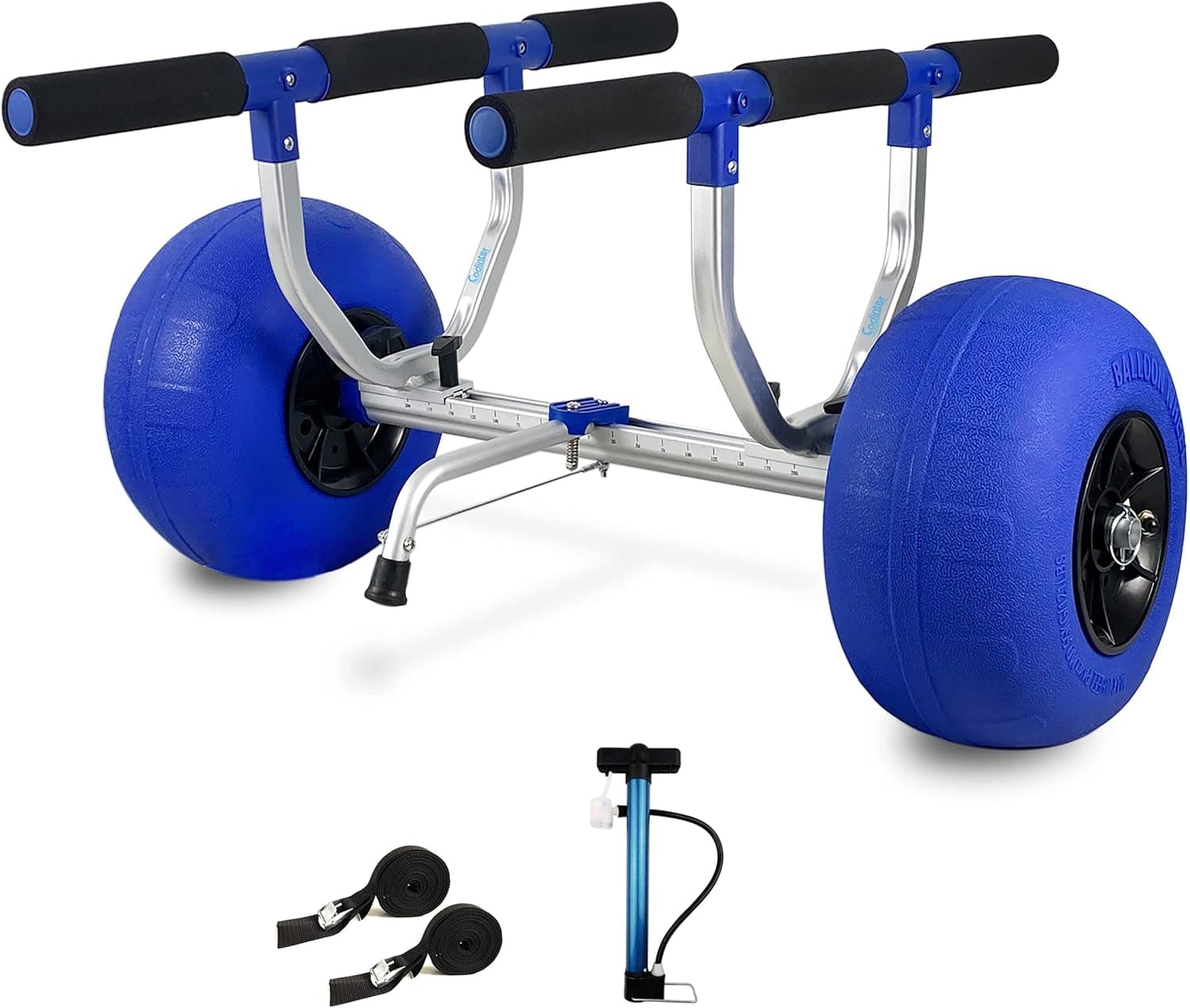
+ 12 Inch balloon wheels float over soft sand
From our guide: Best Kayak Carts and Trolleys
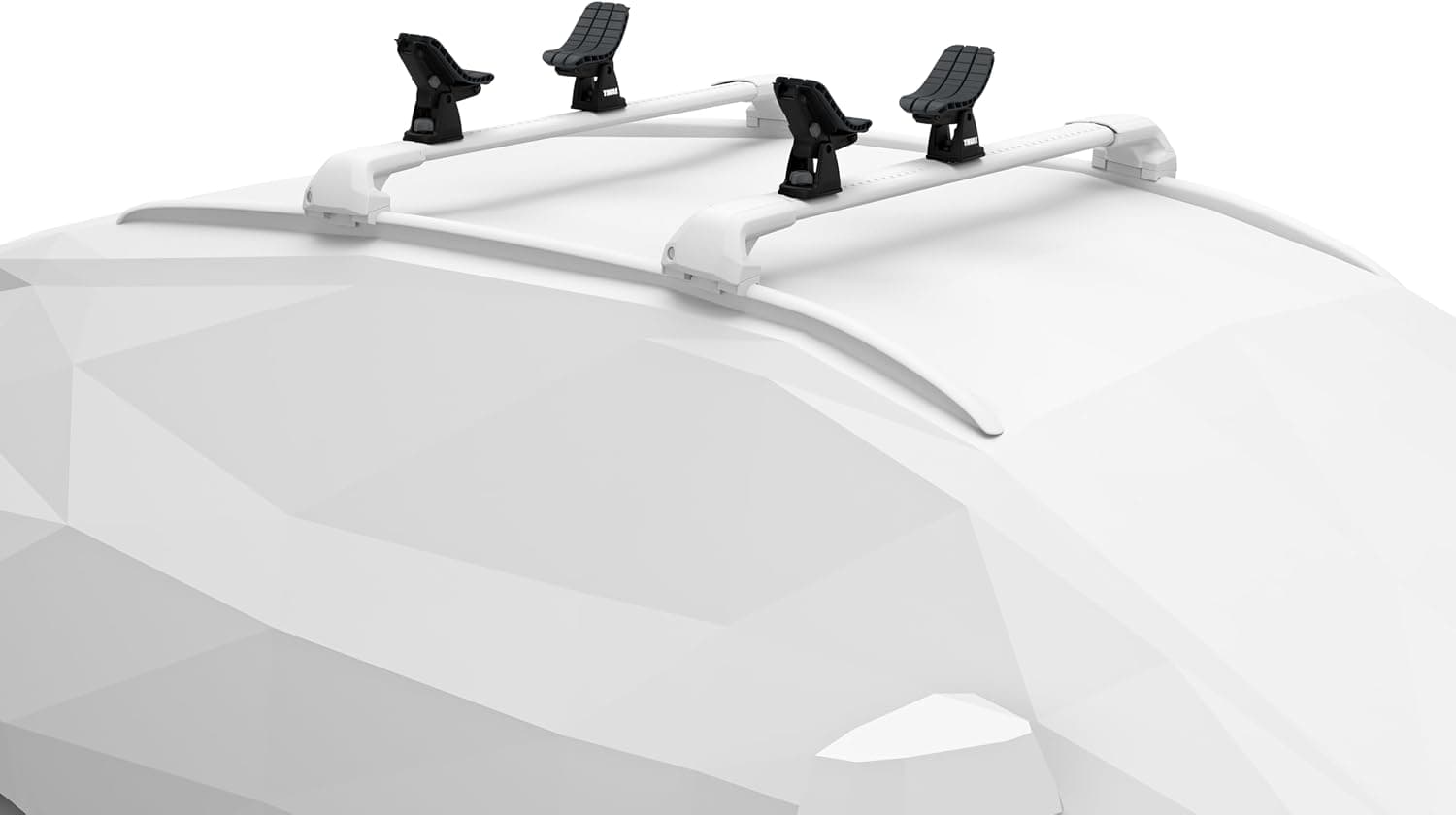
+ 85 lb capacity handles heavier fishing kayaks
From our guide: Best Kayak Roof Racks
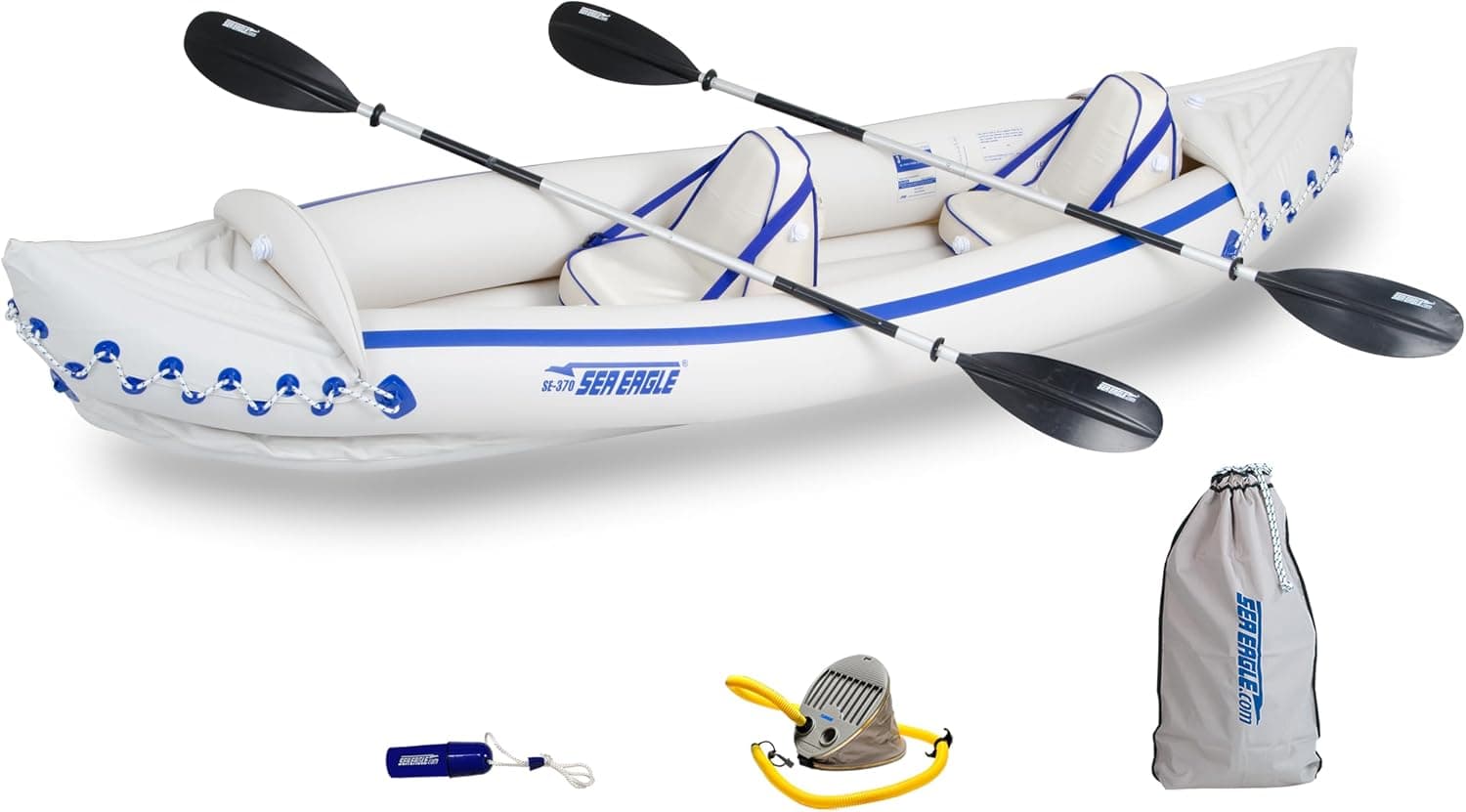
+ Pro Package covers paddles, deluxe seats, pump and bag in one buy
From our guide: Best Inflatable Kayaks
+ Mid-length hull is a practical all-round size for most fisheries
From our guide: Best Pedal Kayaks
Kayak weight chart by type and length
Kids kayaks, about 6 feet: roughly 15 to 25 pounds. Recreational sit-inside kayaks, 9 to 12 feet: roughly 35 to 55 pounds. Recreational sit-on-top kayaks, 9 to 11 feet: roughly 40 to 55 pounds, a little heavier than a sit-inside of the same length because the hull is sealed top and bottom. Whitewater kayaks, 6 to 9 feet: roughly 35 to 50 pounds, short but built from thick plastic.
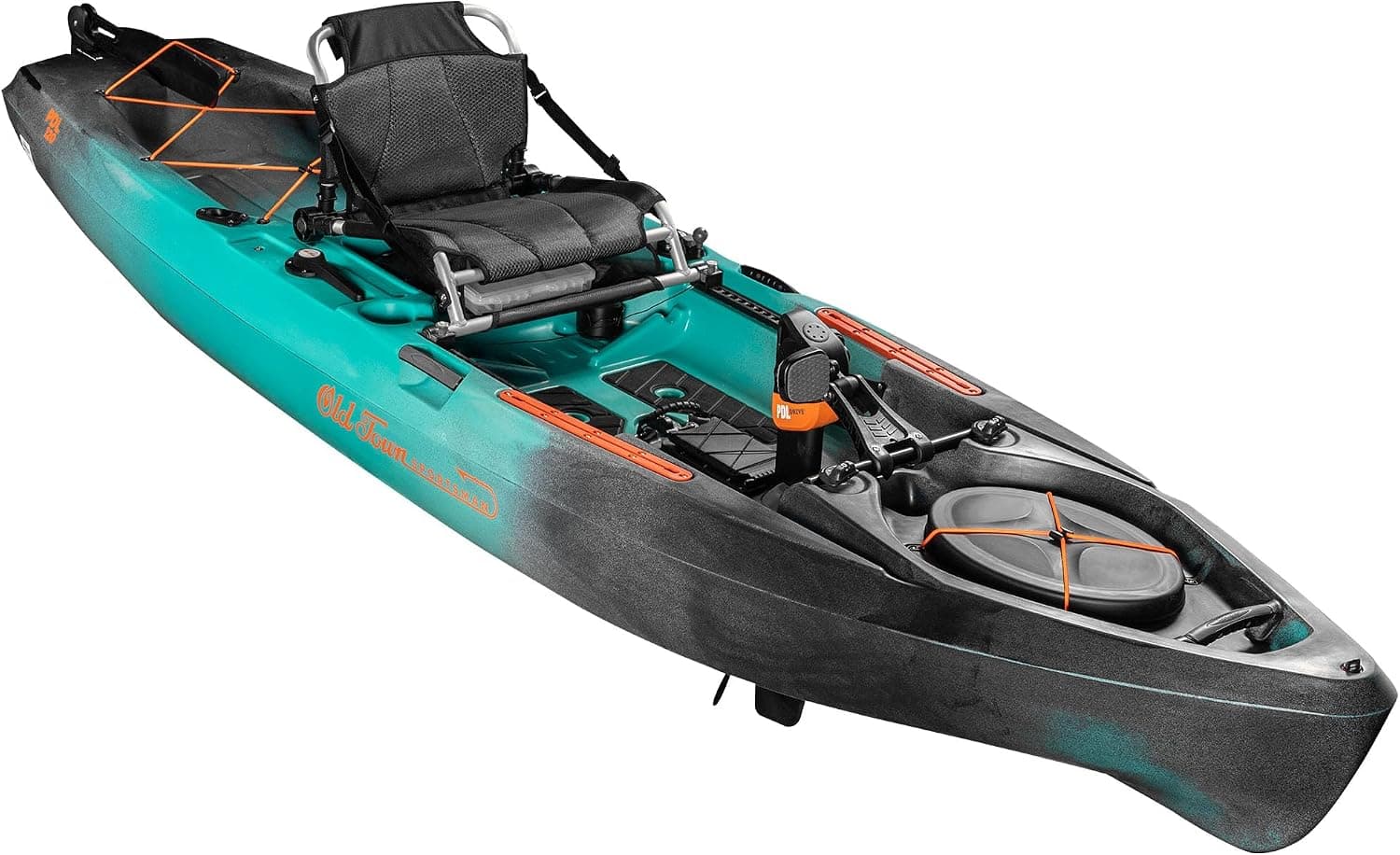
Fishing sit-on-top kayaks, 10 to 13 feet: roughly 55 to 90 pounds, because they are wide, flat and carry molded rod holders, tracks and a frame seat. Pedal-drive fishing kayaks: commonly 85 to 120 pounds for the hull, and well over 100 pounds once the seat and drive are fitted. Touring and sea kayaks, 14 to 17 feet: roughly 40 to 65 pounds depending on material. Tandem kayaks, 12 to 14 feet: roughly 55 to 85 pounds.
Inflatable kayaks: roughly 20 to 35 pounds for a solo boat and 25 to 45 pounds for a tandem, with drop-stitch floors at the heavier end. Folding kayaks, such as origami-style polypropylene boats: roughly 18 to 36 pounds. Treat every range as typical rather than exact, and always check the specific model before you buy.
Why length is a weak guide and material matters more
Length adds weight, but width, deck height and material add more. A 12 foot fishing kayak that is 34 inches wide can weigh 25 pounds more than a 14 foot touring kayak that is 23 inches wide. When you compare two boats, look at the material line in the spec sheet before the length.
Rotomolded polyethylene is the most common and heaviest material. It is cheap, dent resistant and tolerant of dragging over gravel, which is why nearly every budget and fishing kayak uses it. Thermoformed plastic (ABS or acrylic sheets) shows up on lighter recreational and day touring boats and usually saves several pounds over the polyethylene version of a similar design. Fiberglass, and carbon or aramid composites, are the lightest hardshell options: a composite touring kayak can come in around 35 to 50 pounds where the plastic equivalent is 55 to 65, at two to four times the price.
The weight saving only matters if you carry the boat often. If your kayak lives on a trailer or at a dock, a polyethylene hull is the sensible choice. If you lift it onto a tall SUV roof alone every weekend, every 10 pounds you save is noticeable.
Hull weight vs rigged weight on the listing
Manufacturers usually list hull weight: the bare boat without seat, pedal drive, rudder, accessories or gear. That is the number you see on the product page, and it is often 10 to 30 pounds below what you actually lift on the day. A removable frame seat adds several pounds, a pedal drive adds more, and a fishing setup with crate, rods and a battery for a fish finder can add 20 pounds or more if you leave it on the boat.
Plan around rigged weight. Pull the seat, drive and crate before lifting, carry them separately, and you are back close to the hull number. For pedal kayaks this is the difference between a two-person lift and a job that needs a cart or trailer every time.
Inflatable and folding kayaks: the light end of the scale
If weight is the main problem, an inflatable or folding kayak solves it better than a lighter hardshell. A 25 to 35 pound inflatable packs into a bag you can carry like luggage, needs no roof rack and stores in a closet. Folding polypropylene kayaks are lighter still in many sizes and assemble in a few minutes once you know the folds.
The trade-offs are speed, tracking and setup time. Inflatables sit higher on the water and catch more wind, and they need to be dried before storage to avoid mildew. Folding kayaks are tight inside for larger paddlers and have limited room for gear behind the seat. For short flatwater trips both are a reasonable answer to a 60 pound plastic hull you never take out because it is too heavy.
Can you carry it? Weight thresholds and carts
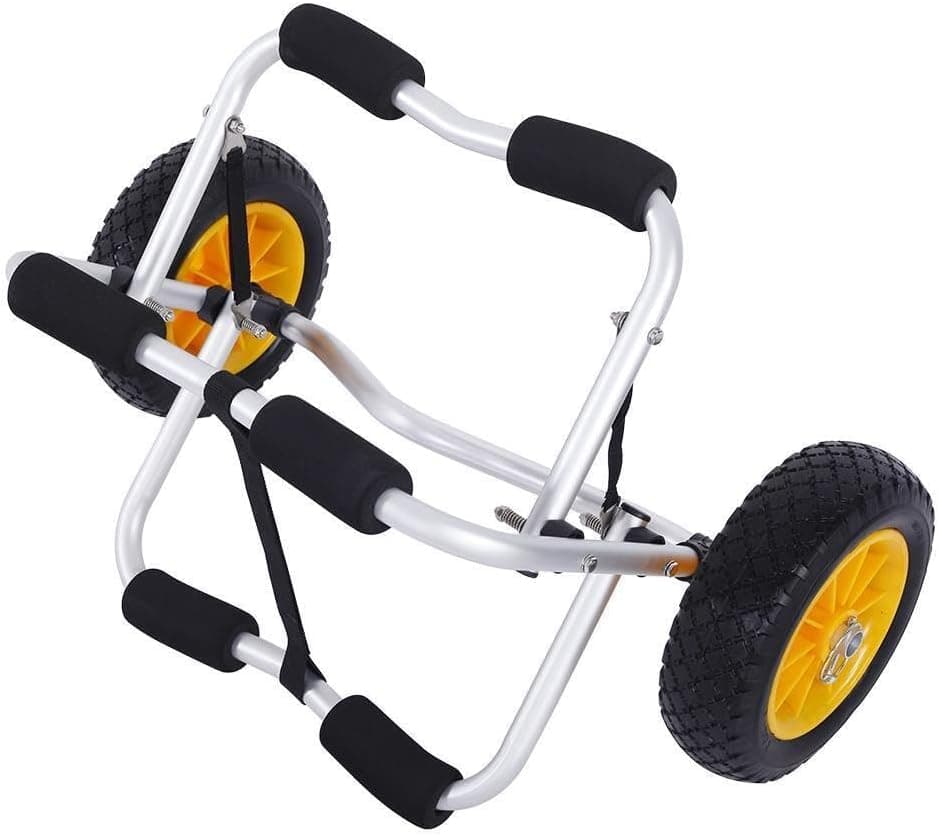
Most adults can shoulder-carry a kayak under about 45 to 50 pounds for a short walk by resting the cockpit rim on one shoulder. Between 50 and 70 pounds it becomes a two-person carry with toggle handles at each end, or a cart. Above 70 pounds, and for every pedal or loaded fishing kayak, a cart stops being optional if you walk more than a few yards to the water.
Carts come in two main types. Scupper carts drop posts through the scupper holes of a sit-on-top and work well for heavy fishing kayaks. Strap-on carts with a padded frame suit sit-insides and touring kayaks without scuppers. Check the cart load rating against rigged weight plus gear, and pick wide or balloon tires if your launch is soft sand rather than pavement.
Roof loads and loading a heavy kayak alone
Your car roof and crossbars both have a load limit, and both are printed in the manuals. Many factory and aftermarket crossbar systems are rated somewhere around 100 to 165 pounds, and the limit includes the weight of the bars and kayak carriers themselves. Two 60 pound fishing kayaks plus J-cradles can already be at or near the limit on a smaller car.
Weight also decides how you load. Under about 50 pounds, a solo lift onto foam blocks or saddles is manageable for most paddlers. Above that, lift one end onto the rear of the rack first and slide the hull forward, use a rack with a lift-assist or load bar, or use J-cradles that let you set the kayak on its side at a lower height. Heavy pedal kayaks are often easier on a trailer than on any roof.
Frequently asked questions
What is the average weight of a kayak? For a typical 10 foot recreational kayak, about 35 to 55 pounds. Across all types, most single hardshell kayaks fall between 35 and 80 pounds, with fishing and pedal kayaks at the top of the range and inflatables and folding kayaks below it.
How much does a 10 foot kayak weigh? Usually 35 to 50 pounds for a sit-inside and 40 to 55 pounds for a recreational sit-on-top. A 10 foot fishing kayak with a frame seat and molded accessories can be 55 to 70 pounds.
Is a heavier kayak more stable? Not because of the weight itself. Stability comes mostly from hull width and shape. Heavy kayaks are often stable because they are wide fishing designs, but a light, wide recreational kayak can be just as steady on flat water.
Does kayak weight count against weight capacity? No. Weight capacity is the load the kayak can carry: you, your gear and anything you bring. The hull weight matters for carrying, cart ratings and roof loads, not for how much you can put in the boat.
Popular right now
- Wildlife Watching From a KayakArticle
- Why Your Sit-On-Top Kayak Has Water Inside and What to DoArticle
- Best Sit-On-Top KayaksBuying guide
- Turning and EdgingArticle
- Best Whistles and Signaling Devices for KayakingBuying guide
- Best Kayak Safety GearBuying guide
Based on the last 28 days of search and visitor data.