How to Plan a Fall Foliage Paddling Trip
Paddling past bright red maples and golden birches reflected in calm water is one of the best experiences in kayaking. Autumn often brings quieter lakes, fewer motorboats and crisp, clear days. It also brings colder water, shorter daylight and fast-changing weather, which catch out paddlers used to summer trips. Good planning lets you enjoy the colours while staying warm and safe.
Time your trip for peak colour
Peak foliage varies by region, elevation and year. Higher elevations and northern areas change colour earlier, while lowlands and coastal areas often peak later in the season.
Check regional foliage reports and local park updates in the weeks before your trip. Lakes and rivers lined with mixed hardwood forests usually offer the most colourful views, and early morning or late afternoon light makes colours glow.
Dress for the water, not the air
Autumn air can feel pleasantly warm at midday while the water has already cooled significantly. A capsize into cold water causes a gasp reflex and rapid heat loss, even on a sunny day.
Dress for immersion with synthetic or wool layers, a waterproof paddling jacket and quick-drying pants, or a wetsuit or drysuit on colder water. Avoid cotton, which loses insulation when wet, and pack a dry bag with a full change of warm clothes.
Always wear a PFD
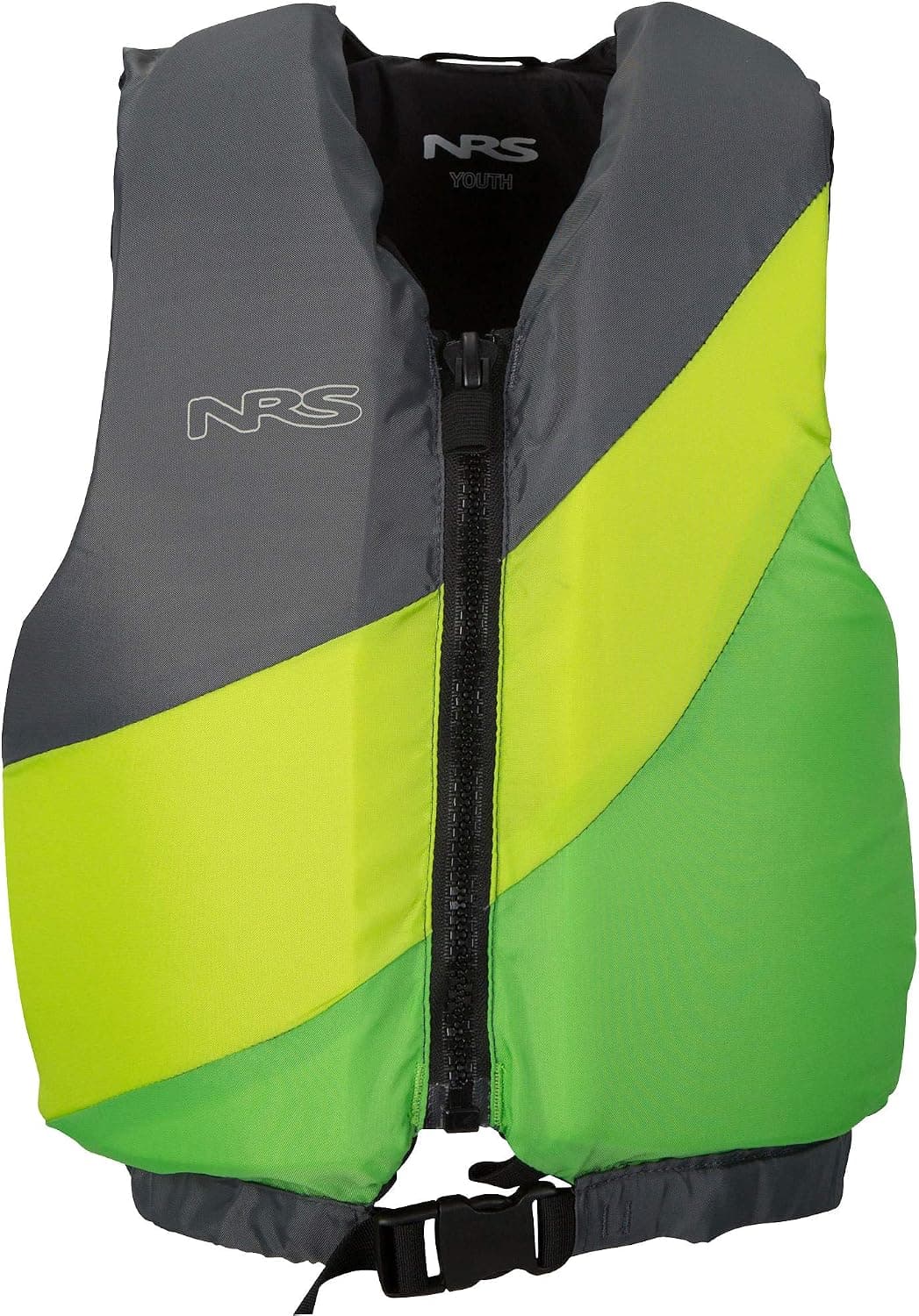
A properly fitted life jacket is essential year-round, but it is especially important in cold water, where swimming ability declines quickly. Wear it zipped and buckled, not stowed under deck lines.
Choose a PFD that fits over warm layers and allows comfortable paddling. Add a whistle and a light for visibility as daylight fades.
Plan for shorter days
Daylight hours shrink quickly in autumn. Plan routes with conservative time estimates and start early so you finish well before sunset.
Tell someone your route and expected return time. Carry a headlamp and navigation tools in case you are delayed.
Watch weather and wind
Autumn weather changes rapidly, with cold fronts bringing strong winds and choppy water. Check forecasts for wind speed and direction as well as temperature.
Stay close to shore on large lakes and avoid long open crossings. Be prepared to change plans if conditions worsen.
Pack warm extras
Bring a thermos with a hot drink, high-energy snacks, gloves and a warm hat. Cold hands make paddling and handling gear difficult.
Pack a waterproof phone case and a small first aid kit. Photos of fall colour are much easier when your phone is protected from splashes.