How to Stop Back Pain and Numb Legs in a Kayak
Published How we research
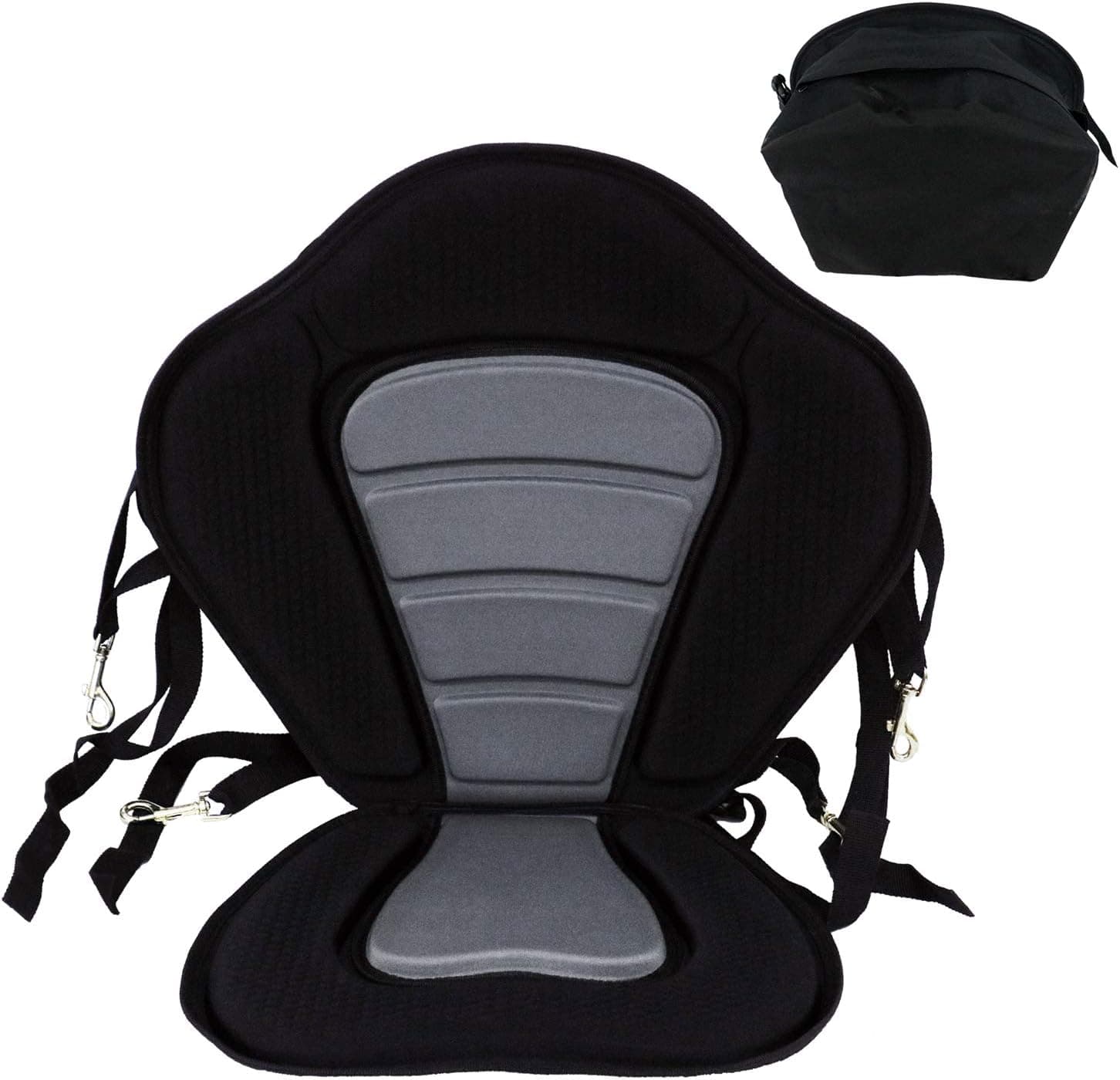
Sitting in a kayak for a couple of hours can leave your lower back aching and your legs numb or tingling. Many stock kayak seats offer little support, and cockpits force legs into fixed positions. Poor posture and badly adjusted footrests make things worse. Small outfitting changes and better paddling habits can make long trips far more comfortable.
Products from this article
The highest-scoring picks from the buying guides this article links to. Scores are our editorial assessment, not customer ratings.
+ 15L cooler bag keeps drinks and bait cool right behind you
From our guide: Best Kayak Seats and Seat Upgrades
+ Basic kit combines several pad types in one purchase
From our guide: Best Kayak Thigh Braces and Outfitting Pads
+ Splits into two nesting halves joined by the SlideLock system, so it stores and travels more easily than a one-piece hull.
From our guide: Best Sit-On-Top Kayaks
+ Memory foam padding molds to you for longer comfortable sessions
From our guide: Best Kayak Seats and Seat Upgrades
Upgrade or adjust the seat
Flat or thin seats put pressure on the sit bones and the backs of the thighs, which restricts circulation and leads to numbness. An aftermarket padded kayak seat or a cushion adds support and spreads pressure more evenly.
Adjust backrests so they support the lower back without pushing you into a slouch. A backrest that is too loose lets you sag, while one pulled too tight can push you forward awkwardly.
Set footrests correctly
Footrests that are too far away force you to slide down and slouch, while footrests too close cramp the legs and increase pressure on the hips. Adjust so knees are slightly bent and your feet press lightly against the pegs.
Your legs should be able to brace gently for stability without locking straight. Changing foot position during the trip also relieves pressure.
Sit upright and rotate
Slouching rounds the lower back and increases strain. Sit tall with your hips slightly forward and core engaged.
Use torso rotation for forward strokes rather than pulling only with your arms. Rotation distributes effort and reduces back fatigue.
Relieve pressure on legs
Placing a rolled towel or foam pad under the knees or thighs can reduce pressure behind the thighs and improve circulation. Thigh pads and knee supports also help in sit-inside kayaks.
Wiggle your toes, shift your legs and stretch gently while paddling. Small movements prevent numbness from building.
Take regular breaks
Stop every hour or so to stretch, stand up on shore if possible or shift position. Long periods without movement increase stiffness and discomfort.
Plan routes with landing spots for breaks. Short rests make longer trips enjoyable.
Seek help for persistent pain
Ongoing back pain, sciatica symptoms or numbness that does not resolve after paddling may need medical advice. A physical therapist can recommend exercises and posture changes.
Some paddlers switch to sit-on-top kayaks with elevated seats, which allow more movement and comfortable leg positions.
Popular right now
- Wildlife Watching From a KayakArticle
- Why Your Sit-On-Top Kayak Has Water Inside and What to DoArticle
- Best Sit-On-Top KayaksBuying guide
- Turning and EdgingArticle
- Best Whistles and Signaling Devices for KayakingBuying guide
- Best Kayak Safety GearBuying guide
Based on the last 28 days of search and visitor data.